
The studio
We are not a factory. We do not represent one.
EtsyAnt is a small sourcing studio working with 38 village workshops across four provinces. We buy by the piece at rates the makers set, document the work, and sell it to shops abroad that need a story they can stand behind. That is the entire business model.
Why this exists
The craft was never the problem. The distribution was.
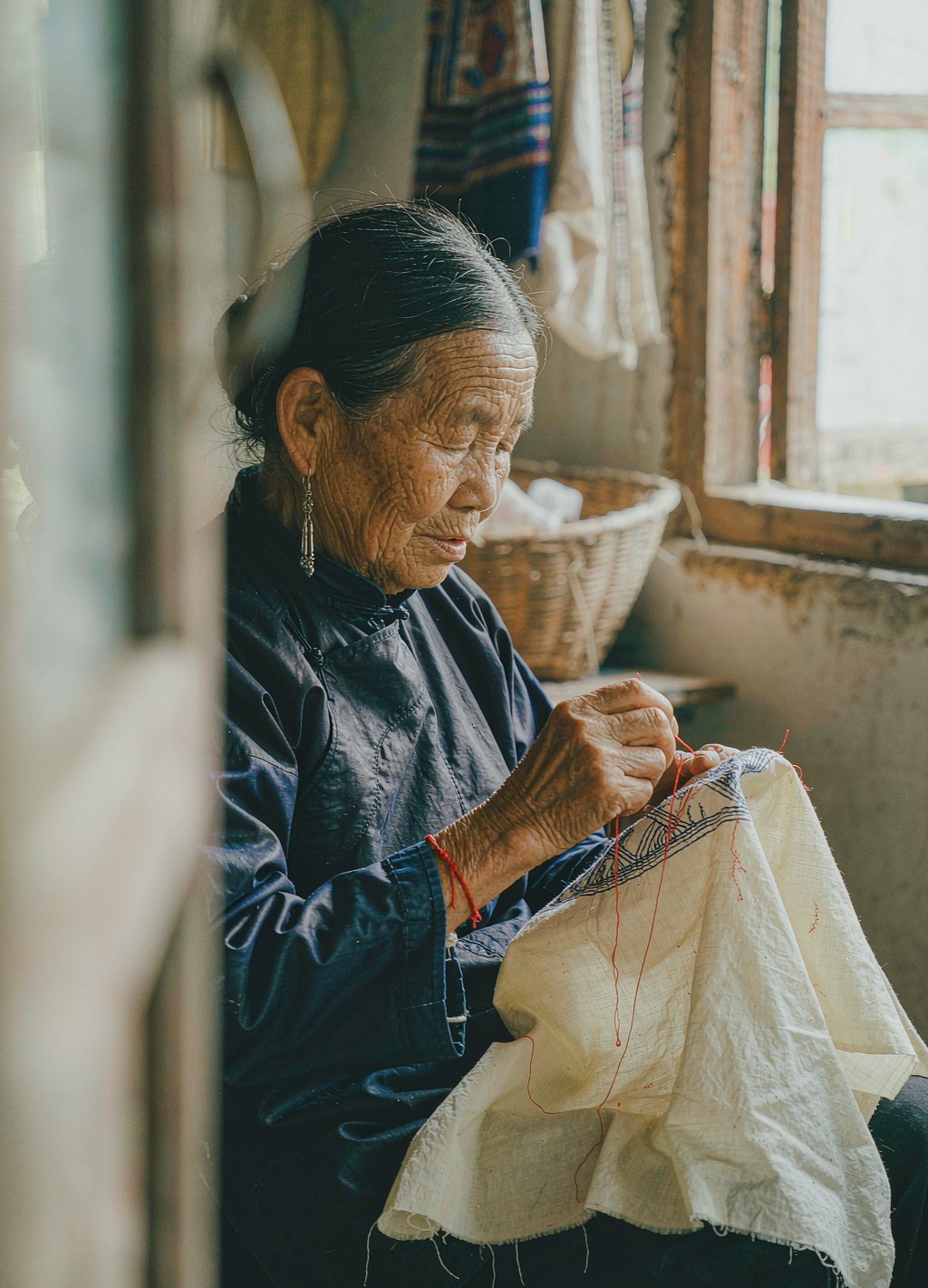
Guizhou has villages where every woman over fifty embroiders to a standard that would sell in Paris. They were selling to tourists at the county road for the price of a bowl of noodles, because nobody in the village had a relationship with a shop in another country.
Meanwhile overseas buyers were being sold machine-made goods labelled handmade by trading companies who had never been to the province. Both sides were losing: the makers on price, the buyers on credibility, and the craft on both.
We started in 2019 by driving to Leishan with a camera and a translator, buying forty scarves, and shipping them to two shops in Copenhagen and Melbourne. Those two shops still order. The rest of this site exists because they told other buyers.
Read the field guidesWorkshop vetting
Seven questions before we place a first order.
We have declined 60% of the workshops we have visited. Most for reasons on this list.
Who actually makes the piece?
We ask to see the work in progress, not a showroom. If the person answering cannot name the maker, there is a middleman we do not need.
Is the material what it claims to be?
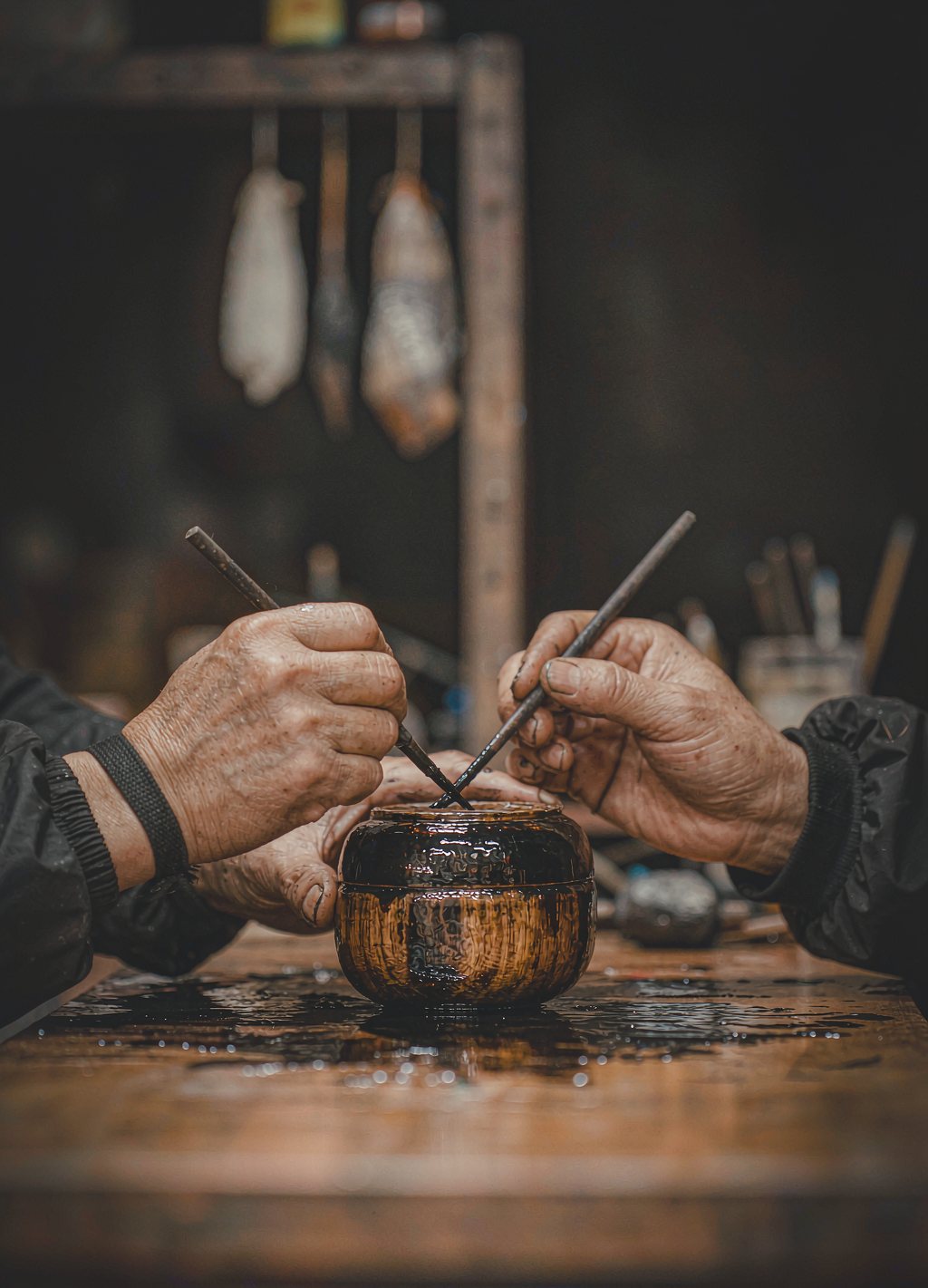
Plant indigo, natural lacquer sap, bast paper, iron-rich clay. We test, and we keep the test results on file per dye lot and firing.
Can they do it again next season?
A single brilliant sample is not a supply relationship. We look for at least three makers who can hold the standard together.
How is the maker paid?
By the piece, at a rate she can state out loud. We advance material costs before the season and pay on collection, never on sale.
What are they willing to sign their name to?
Makers who agree to be named go on the spec sheet and the story card. In 2025, 71% of our SKUs shipped with a named artisan.
Is anything endangered, protected or restricted?
No ivory, no rhino horn, no tortoiseshell, no protected hardwood, no wild-caught material of any kind. This is not negotiable, at any price.
Would we sell it to our own family?
The last question, and the one that removes the most suppliers. If the answer is hesitation, we walk away from the order.
Our refusal list
What we will not sell, whatever the margin.
Machine work sold as handmade
A machine-embroidered cushion is a legitimate product at a legitimate price. It is not this catalogue. We will tell you which of our SKUs are partly machine-assisted, and there are none.
"Antique" pieces with no paper trail
The folk-art market is full of objects aged with tea and sandpaper. If we cannot document provenance, we do not call it old — we call it new, and price it as new.
Endangered or restricted material
No ivory, horn, tortoiseshell, protected wood or wildlife product — including "small amounts" for inlay. A single seizure ends a buyer's import licence.
How we are paid
A margin on the goods. Not a commission on the maker.
Our income is the difference between the workshop price and the wholesale price you pay. We do not take a percentage from the artisan, we do not charge makers for photography, and we do not sell their designs to other buyers without their agreement.
When an order is cancelled after material has been cut, we pay the workshop anyway. That cost is why our quotations are firm rather than optimistically low.
Visiting
Come and see the workshops yourself.
Buyers on orders above 150 pieces are welcome to join a sourcing trip — three days, two provinces, usually Guizhou and Fujian. We arrange transport, translation and introductions; you pay your own travel. Most buyers leave with a different product mix than the one they arrived with.
If you cannot travel, we will do a live video walk-through of the workshop on WhatsApp at a time that suits your timezone. It is not as good as being there. It is much better than a catalogue PDF.
Ask about a sourcing tripStart here
Tell us what you are trying to build.
A shop, a museum line, a hotel project or a brand capsule — the conversation starts the same way, with one email and an honest answer about what handmade can and cannot do.