
Four crafts, not forty
Four living folk traditions, chosen for what a shop can actually sell.
Every category below passed four filters: it has a documented cultural origin, it can be made by a village workshop without industrial tooling, it ships without breaking, and it carries a retail story a sales assistant can learn in ninety seconds. The rest of the Chinese craft market — the fragile, the enormous, the mass-produced dressed as handmade — we left out.
 Best seller
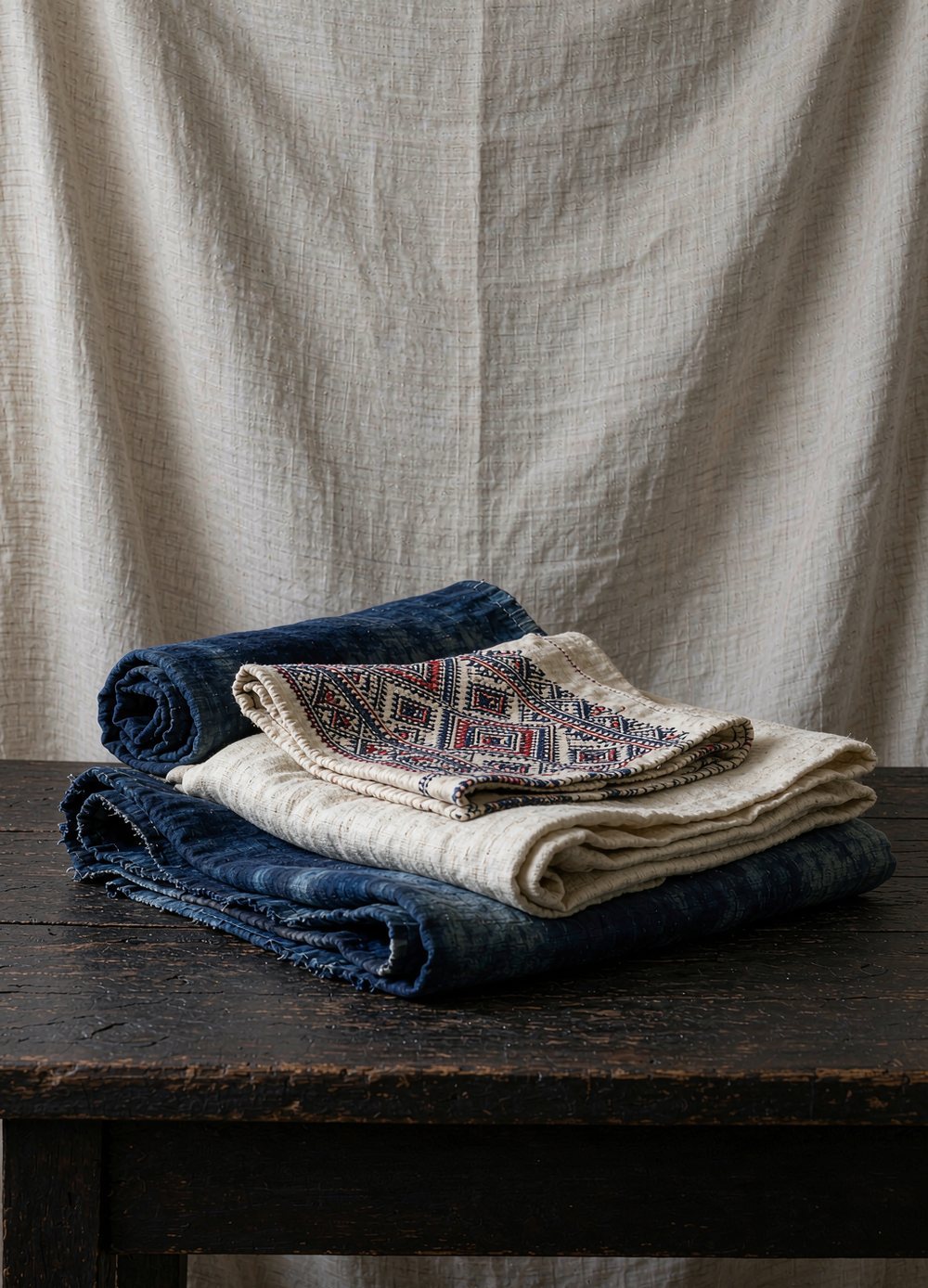
Natural Dye & Hand Embroidery
01Guizhou · Yunnan · Jiangsu
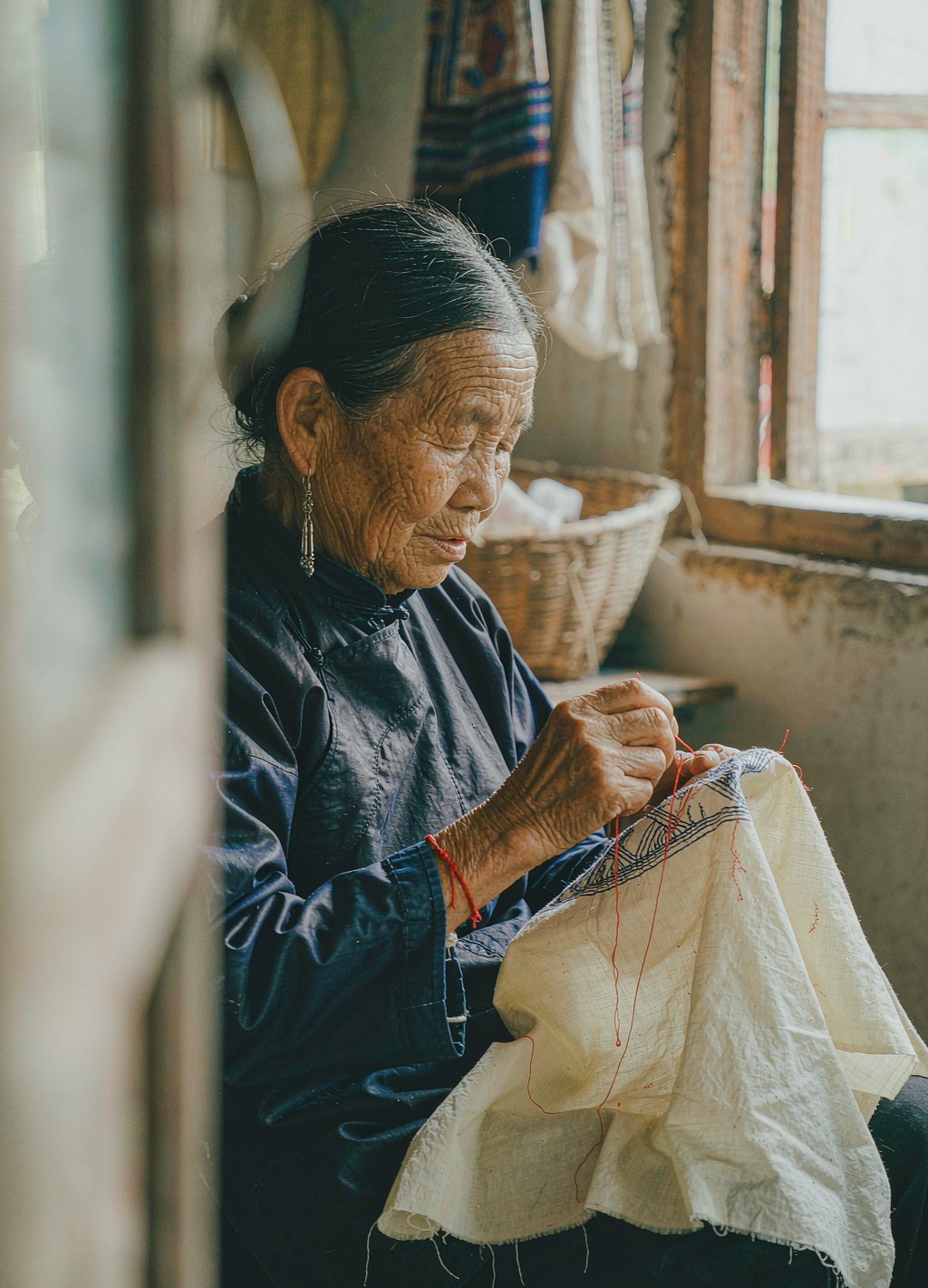
Plant indigo, batik resist and counted-thread Miao embroidery. The cheapest craft to ship and the easiest to defend at retail: no two dye lots match and no machine reproduces the stitch.
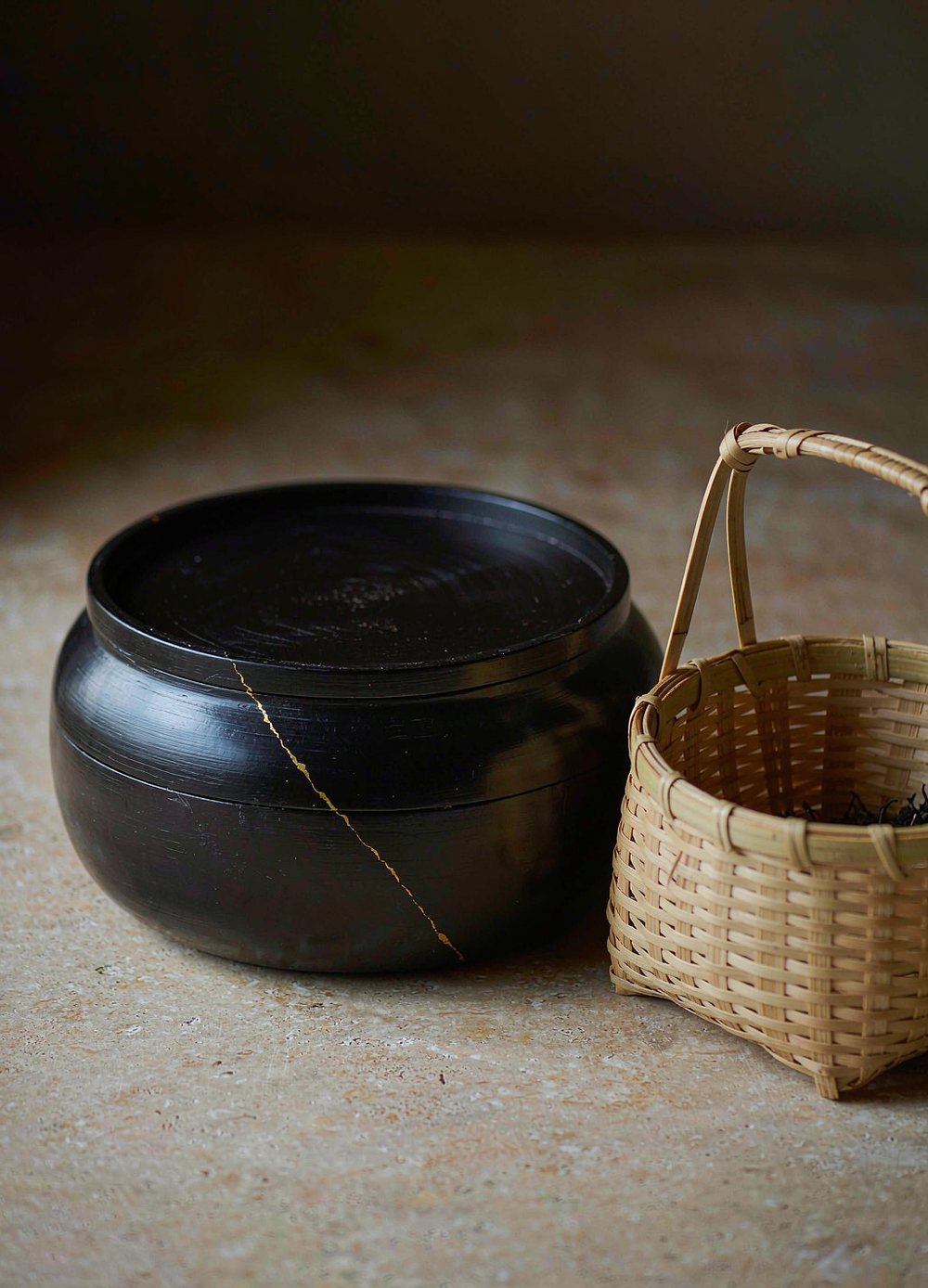
Lacquerware & Bamboo
02Fuzhou · Anji · Chengdu
Bodiless lacquer built up in twenty coats, and split-bamboo weaving thin enough to see through. This is the category that sells to interior designers and hotel projects.
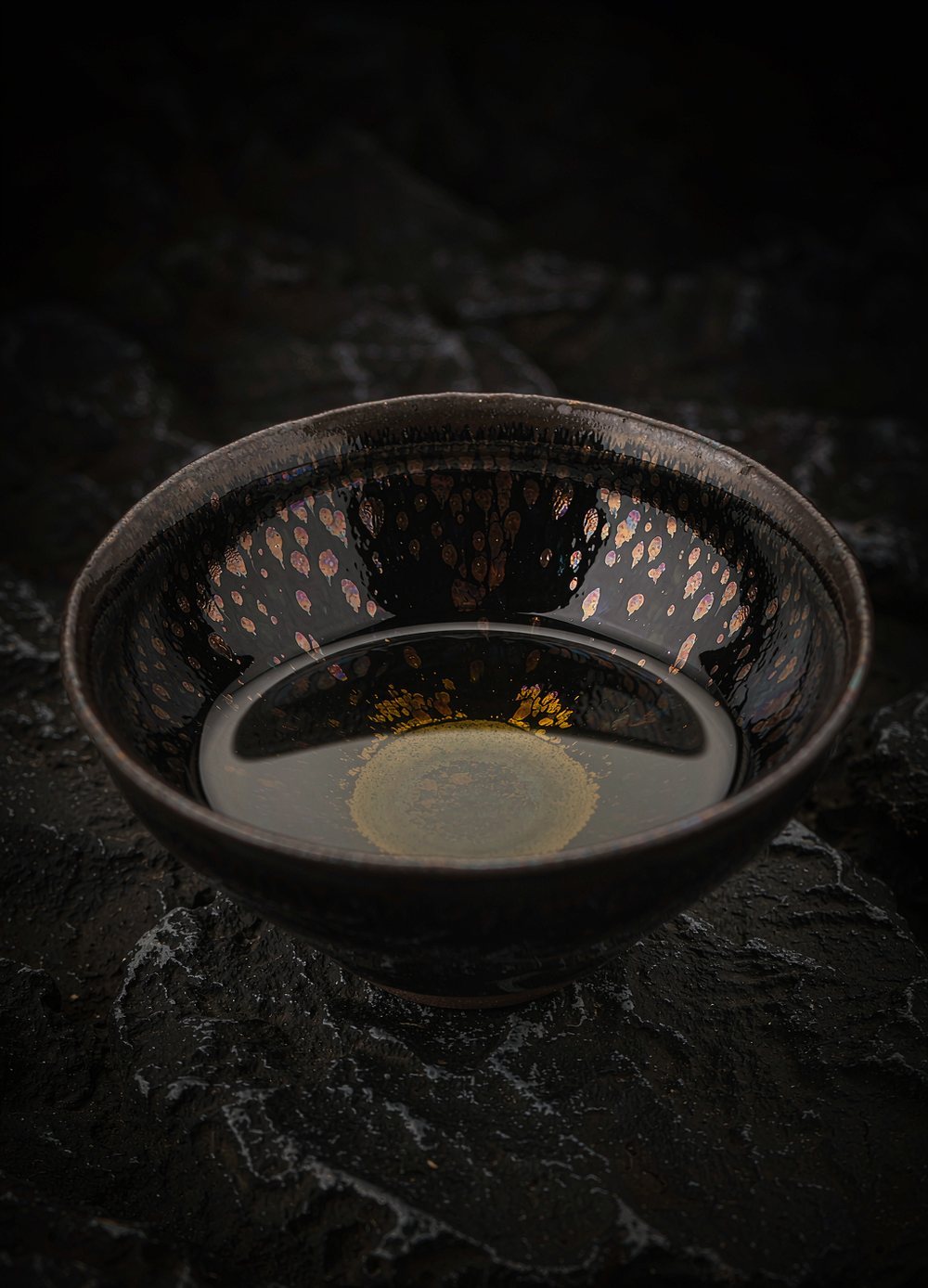
Ceramics & Tea Ware
03Jianyang · Jingdezhen · Yixing
Kiln-varied Jianzhan, wood-fired porcelain and Yixing zisha. Every bowl is one of one, signed by the potter — which is what lets you price a cup like an object, not a vessel.
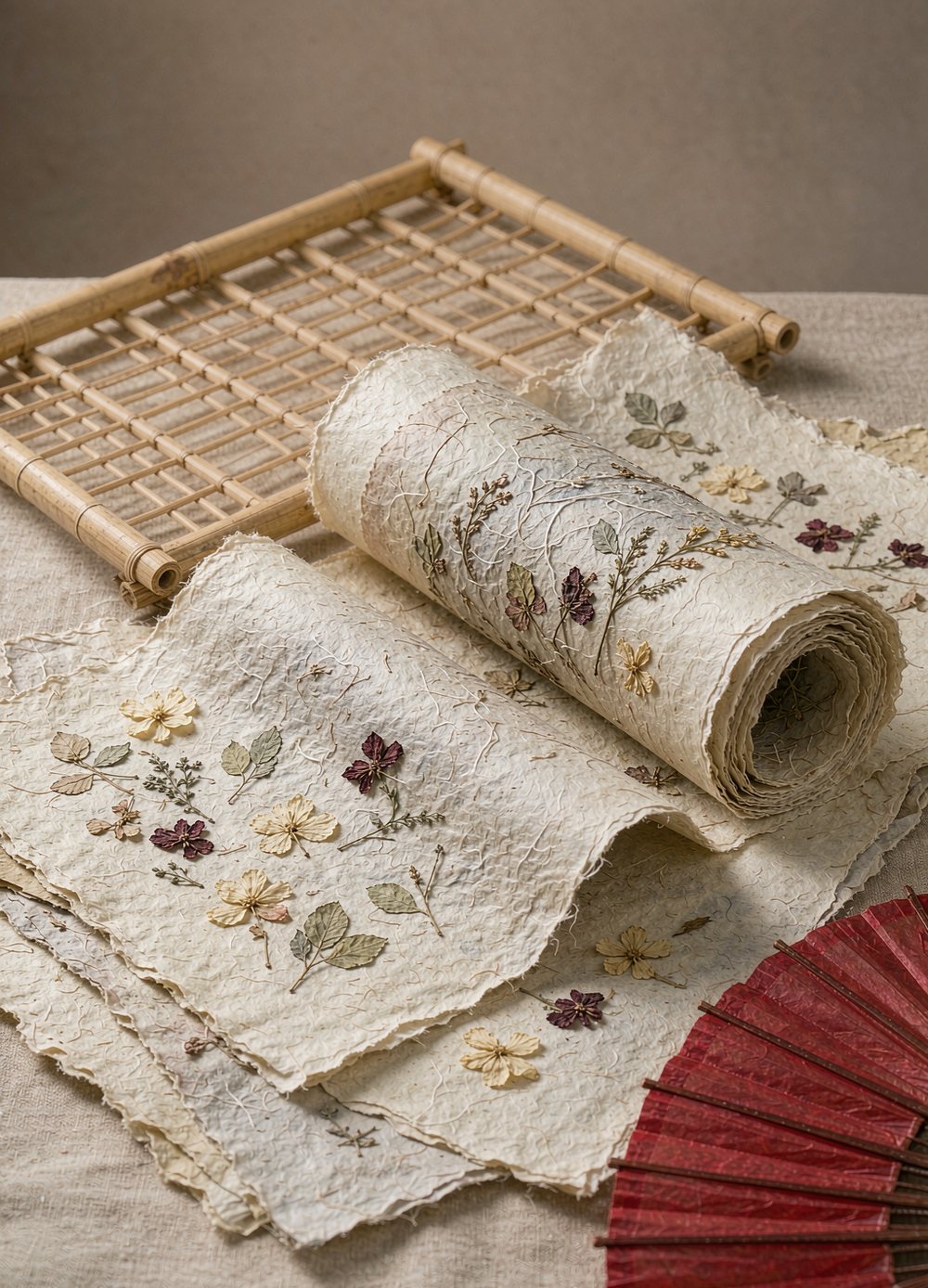
Paper & Folk Art
04Jingxian · Fuyang · Weifang
Mulberry-fibre sheets with pressed botanicals, oil-paper umbrellas, woodblock New Year prints and shadow puppets. Low unit cost, high visual impact, ideal for stationery and gallery shops.
Selection criteria
Why we refuse more crafts than we carry.
Buyers often ask why the catalogue is short. The answer is commercial, not romantic: a handmade category only works at wholesale if it survives the journey, if the workshop can repeat it season after season, and if the retail customer can understand it without a translator standing nearby.
- Survives shipping
- Folded textiles and paper beat porcelain on landed cost
- Repeatable
- The workshop must be able to remake it in 8 weeks
- Explainable
- One sentence of origin, one of technique
- Defensible
- A visible hand-mark a machine cannot copy
Not sure which craft fits your shop?
Send us a photo of your shelf.
We will tell you honestly which of the four lines will sell in your market — and which will sit in the stockroom.