Craft Journal

Field guides for buyers who have to defend a handmade price.

Our sourcing team writes these between factory visits. Each one answers a question a real buyer asked us — usually the same week they were offered something too cheap to be true. No marketing, no mysticism: what to look at, what it means, and what to do about it.

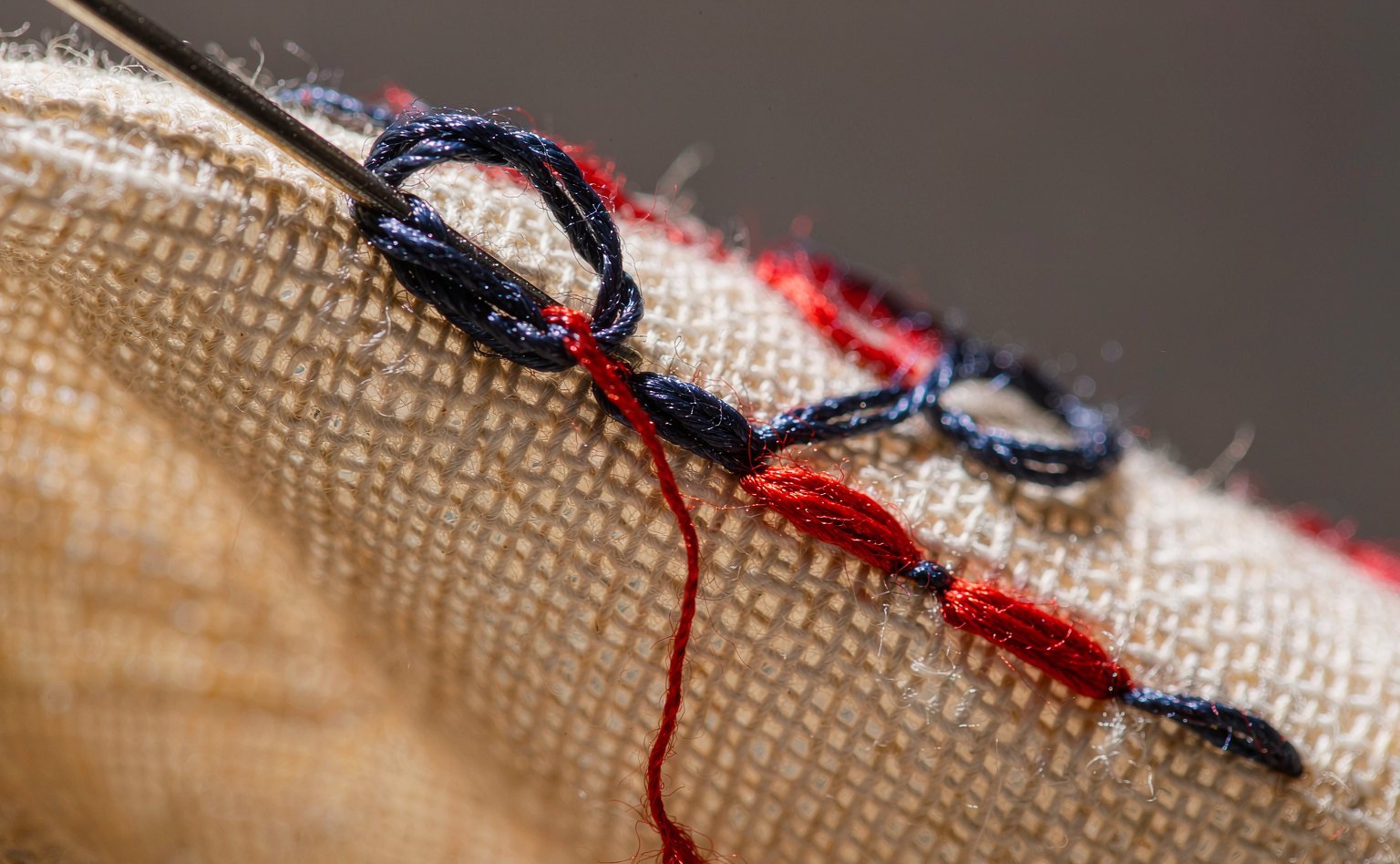
Macro detail of hand embroidery stitches on natural hemp cloth

How to tell hand embroidery from machine embroidery

Six checks any buyer can run in a receiving room in under ten minutes — including the one test no machine has ever passed. Written after a buyer in Copenhagen was offered 400 "hand-embroidered" cushions at a price that was, arithmetically, impossible.

Next guides

  • Natural indigo vs synthetic indigo The vat, the smell and the crock test
  • Real lacquer, cashew lacquer, resin A scratch test and a weight check
  • Why every Jianzhan bowl is different Kiln chemistry for people who have to price it
  • Reading a workshop before you order Seven questions, and the answers that should worry you

Want one of these earlier? Tell us which question you keep getting asked — we write them in order of demand.

Ask us a craft question
Why we publish this

A buyer who can spot a fake is a better customer.

Most suppliers in this trade prefer that you cannot tell the difference — it makes the pricing conversation easier for them. We take the opposite position: if you know exactly what to look for, you will recognise what we are selling, and you will stop shopping on price alone.

It also keeps the workshops honest. A village that knows its buyers can identify hand work stops competing with factories that print a "handmade" label on a machine product.

How we vet workshops
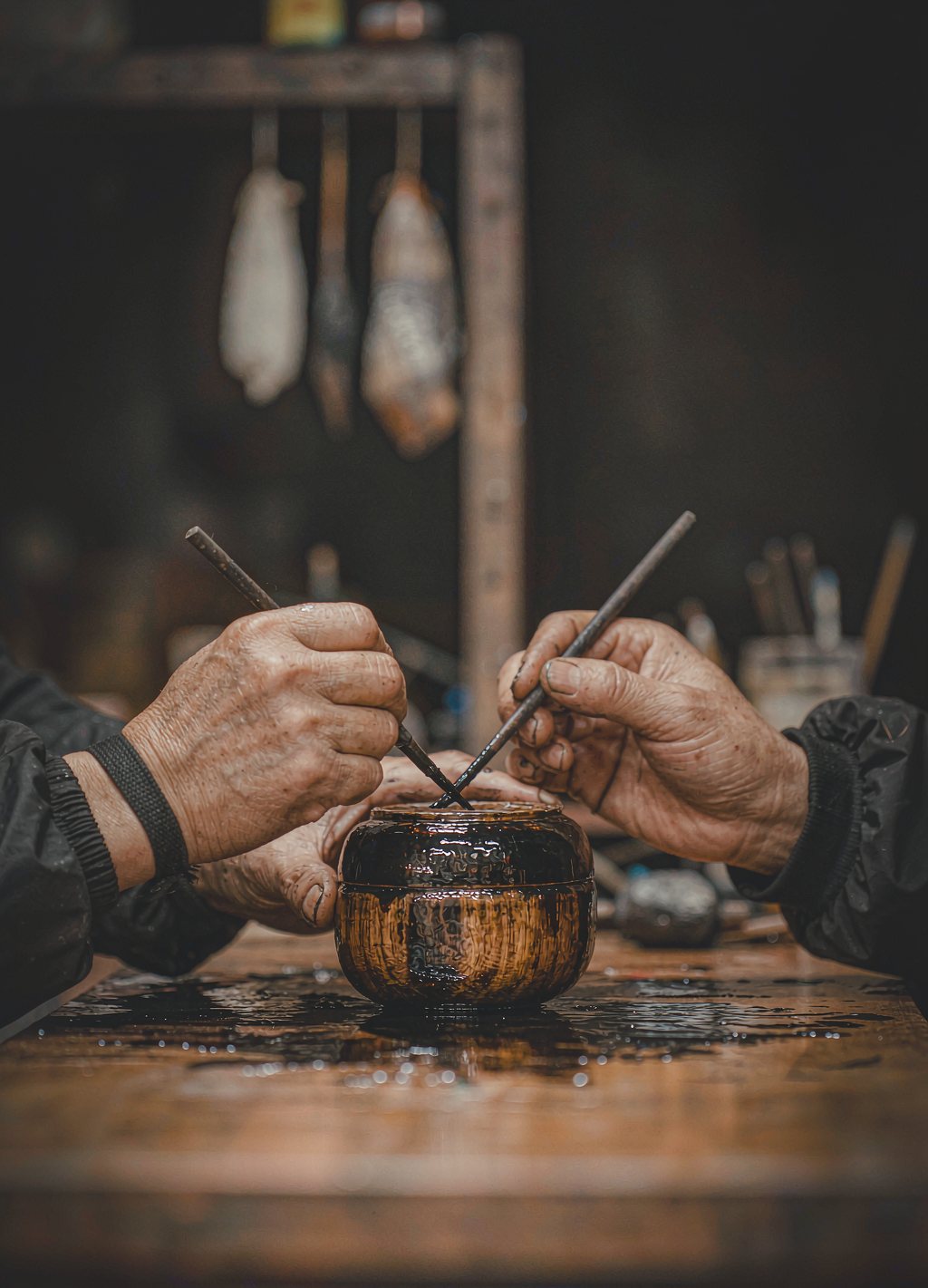
Artisan applying natural lacquer by hand with a fine brush

Buy with your eyes open

Sample first. Argue about price later.

Every guide here can be tested against a physical piece. That is what the sample box is for — and it is credited back on your first order.

Chat on WhatsApp